FLY
Blueprints in Unreal Engine
Blueprint has been such a great feature for me over the years. I still remember when I first started using it—it felt difficult and confusing at the beginning, but once I got used to thinking in nodes, execution flow, functions, interfaces, events, and data structures, it completely changed the way I understood game logic.
Of course, Blueprints are not disappearing immediately. They will still be part of the early versions of Unreal Engine 6, while Epic gradually moves the gameplay programming model toward Verse. Still, knowing that Blueprints will eventually be deprecated feels a bit like the end of an era.
At the same time, I see it as a good opportunity to learn something new.
A lot of what I learned about programming logic, architecture, debugging, state management, and structuring gameplay systems came from working with Blueprint and C++. I’m sure much of that knowledge will transfer naturally when I start working more seriously with Verse. Languages and tools change, but the way we think about problems carries over.
So, after finding out that one day we may have to say goodbye to Blueprint, I thought: why not play with it a little more while it’s still here?
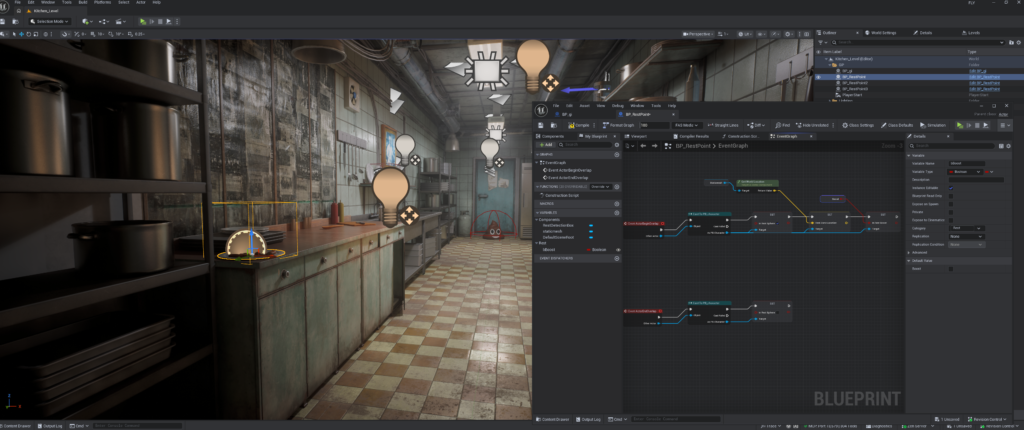
For this project, I decided not to use any C++ for the gameplay logic. Everything is built purely with Blueprints.
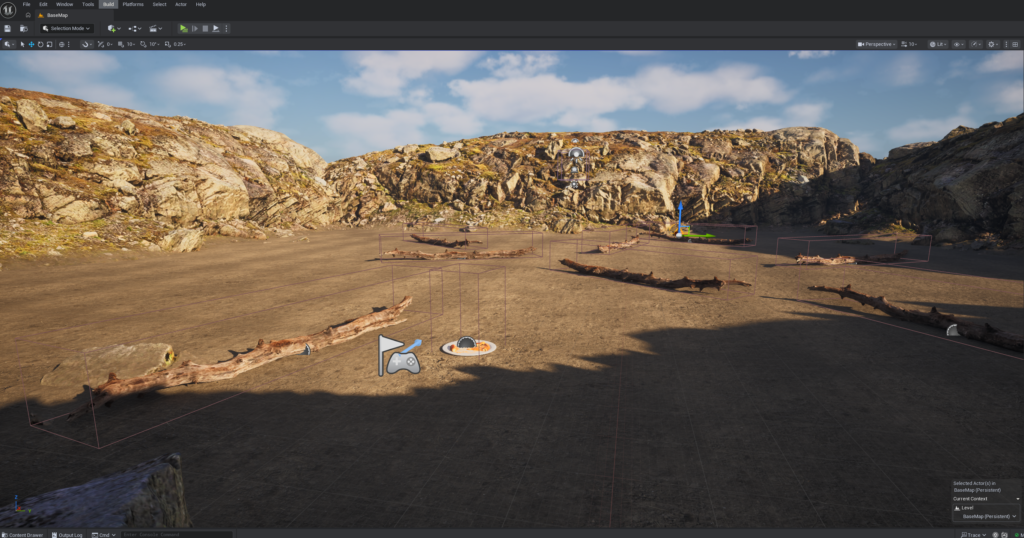
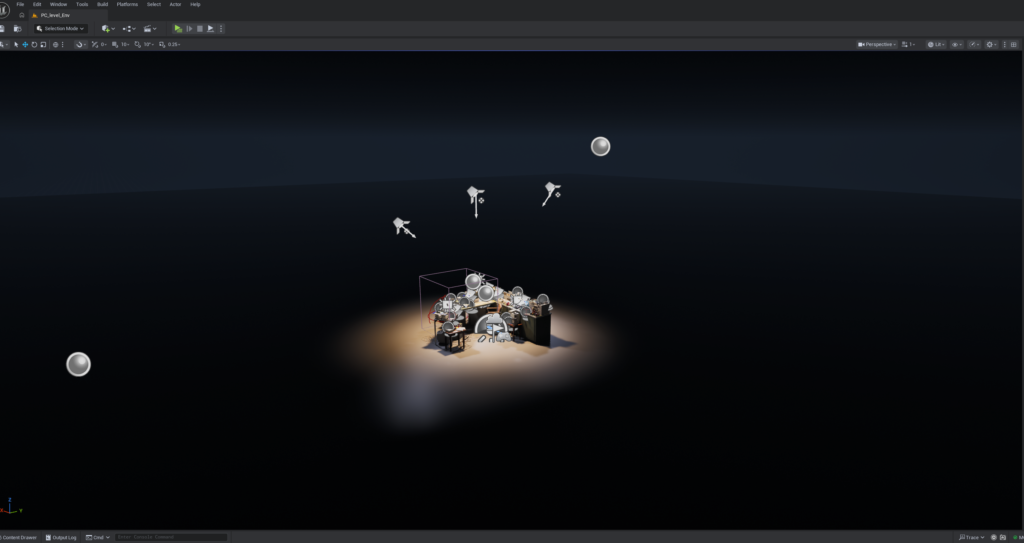
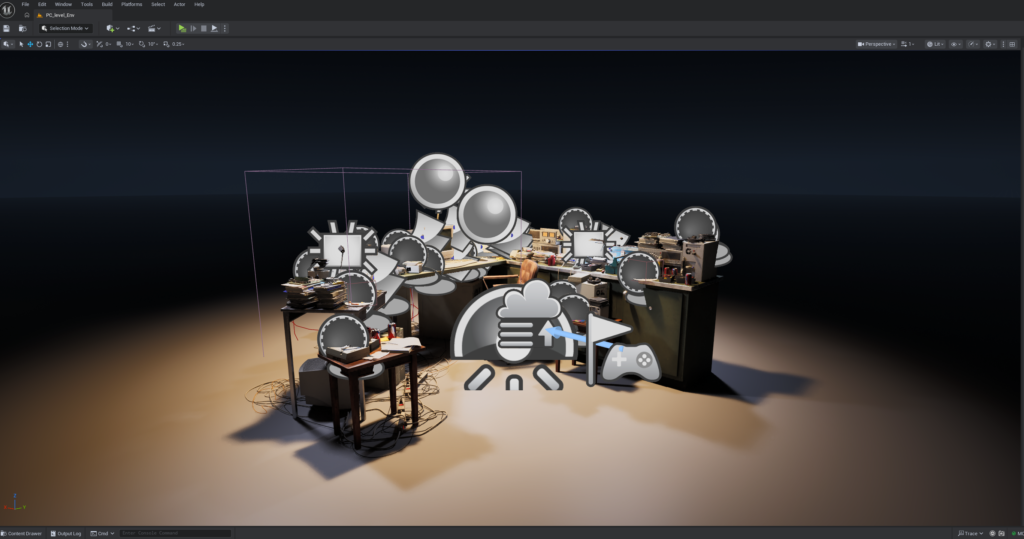
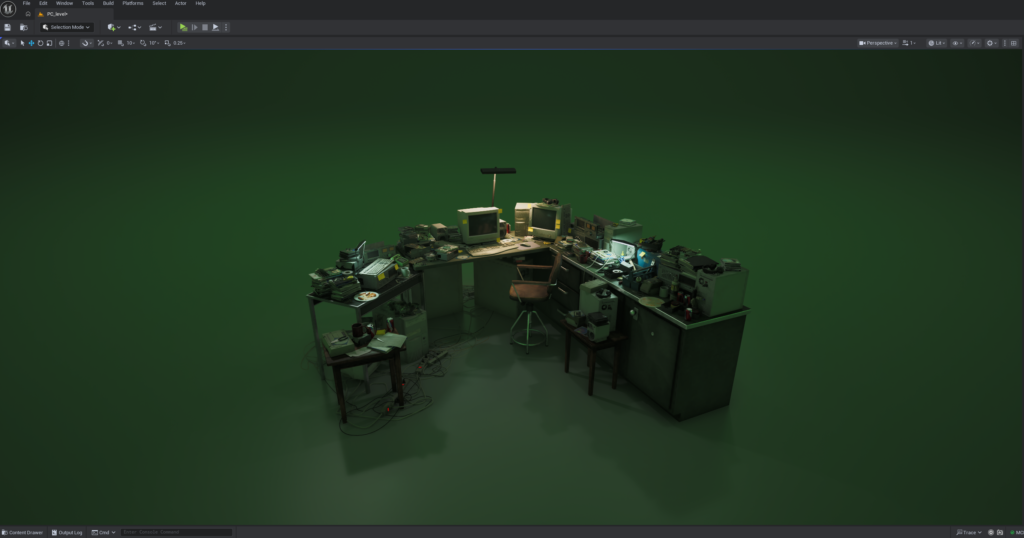
It’s basically my little farewell experiment with Blueprint: playing with gameplay logic, building a custom character setup, working on shaders and materials, creating the level, setting up Enhanced Input, and building the widget UI.
I wanted to see how much I could put together using Blueprint alone and enjoy the visual scripting workflow again.
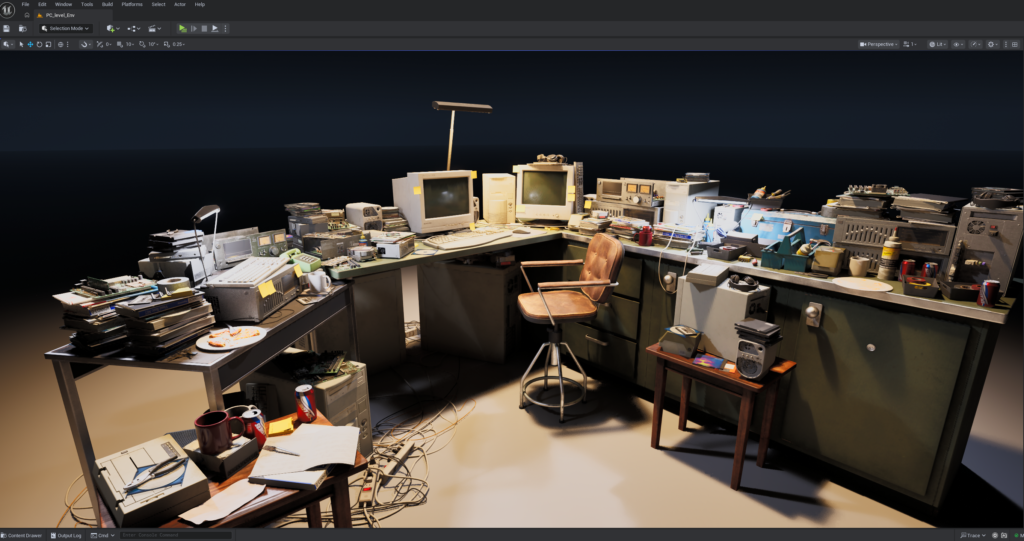
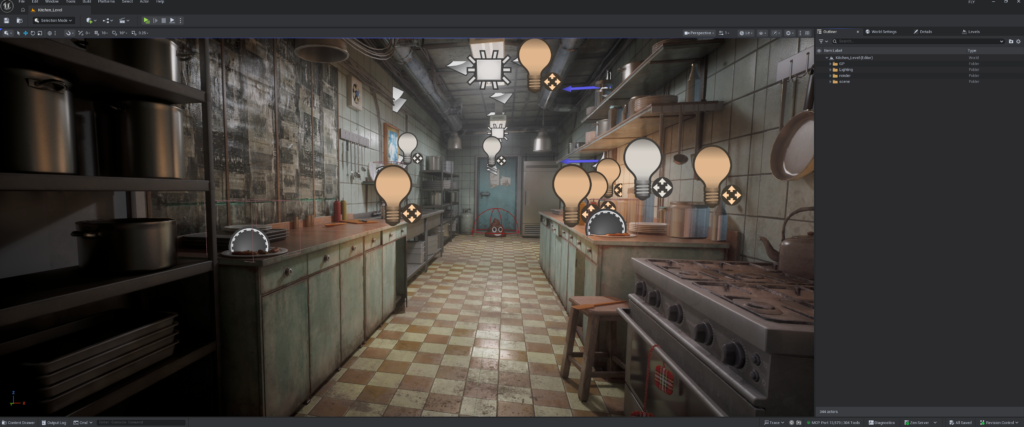
Once I finished most of the gameplay logic, Blueprint systems, level setup, and input configuration, I decided to experiment with Lumen as well.
Instead of sticking to one visual style, I started playing with lighting and atmosphere to see how dramatically the same environment could change.
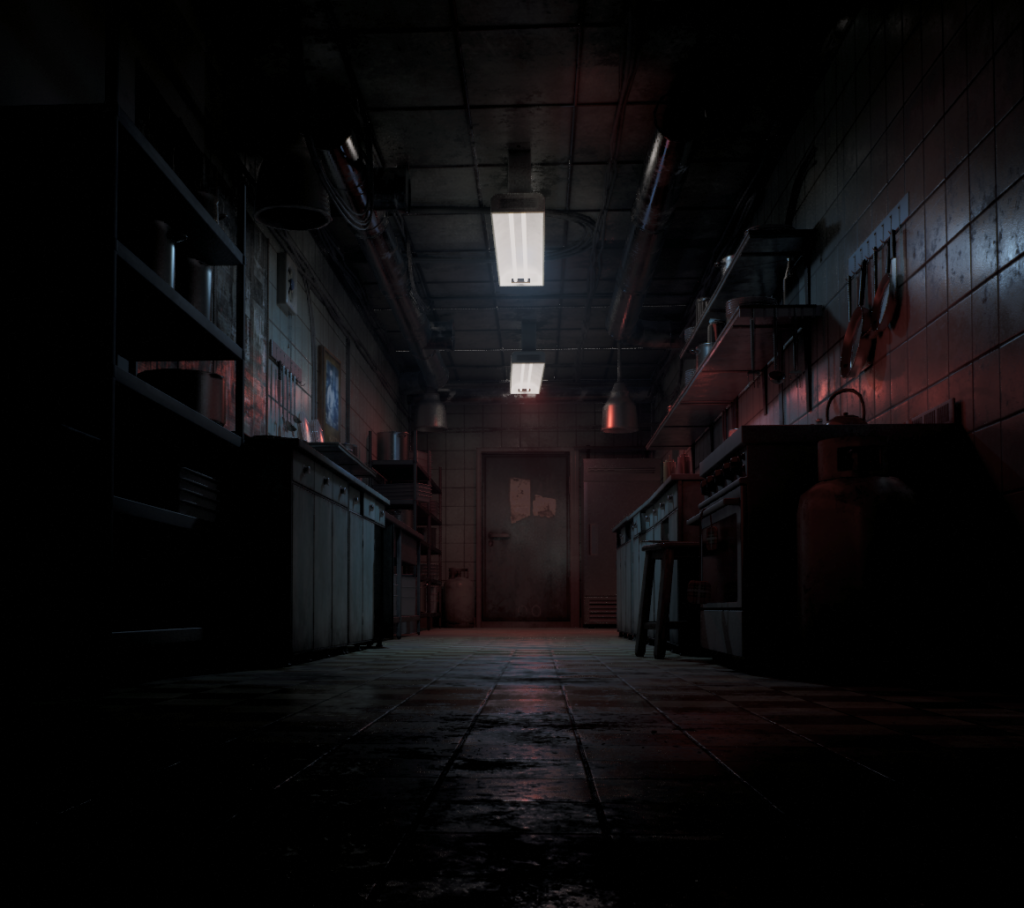
I experimented with a few different lighting moods:
Cyberpunk / neon lighting
Horror lighting
Laboratory / sci-fi lighting
More natural, neutral lighting
It was interesting to see how much lighting alone could change the feeling of the environment without changing the underlying gameplay or level structure.
So this project isn’t really about creating a complete game. It’s more of a playground—a chance to experiment with gameplay logic, Blueprints, shaders, UI, character systems, input, level design, and Lumen before moving on to whatever comes next.
Maybe it’s a small farewell to Blueprint.
But more importantly, it’s another reminder that the tools will always change. The knowledge we gain from using them stays with us.
I’ve been through this kind of transition before with Unreal Engine—from Cascade to Niagara, from Matinee to Sequencer, from PhysX to Chaos, and from the old input system to Enhanced Input.
At first, it can be frustrating when a system you’ve spent years learning is replaced. But that’s also part of working with Unreal Engine. The tools keep evolving, and each major change gives us something new to learn.
So I guess moving from Blueprint toward Verse will be another one of those transitions. It may feel strange at first, just like Niagara, Sequencer, or Chaos once did, but eventually the new workflow becomes familiar too.
I like building logic in a minimal setup first, because it makes the system much easier and more enjoyable to extend later.