OceanFury
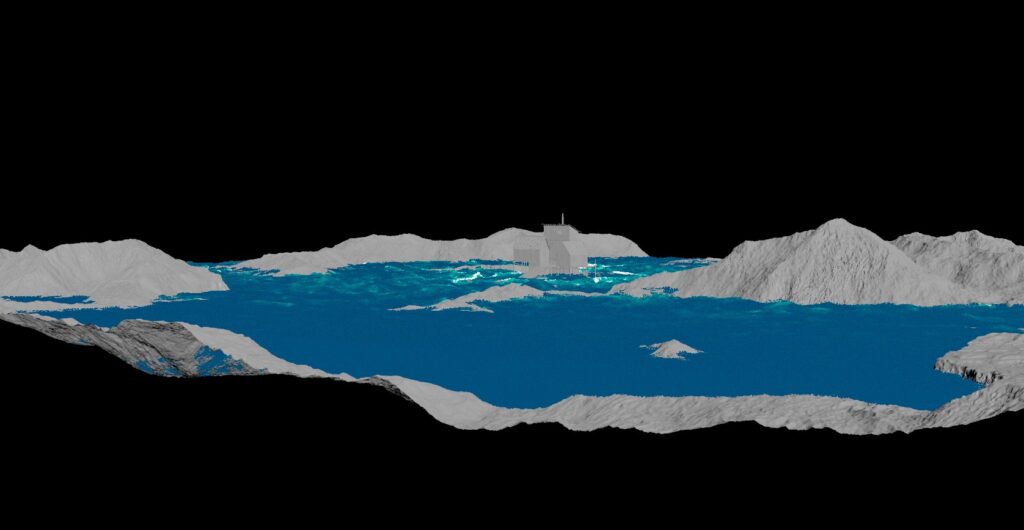
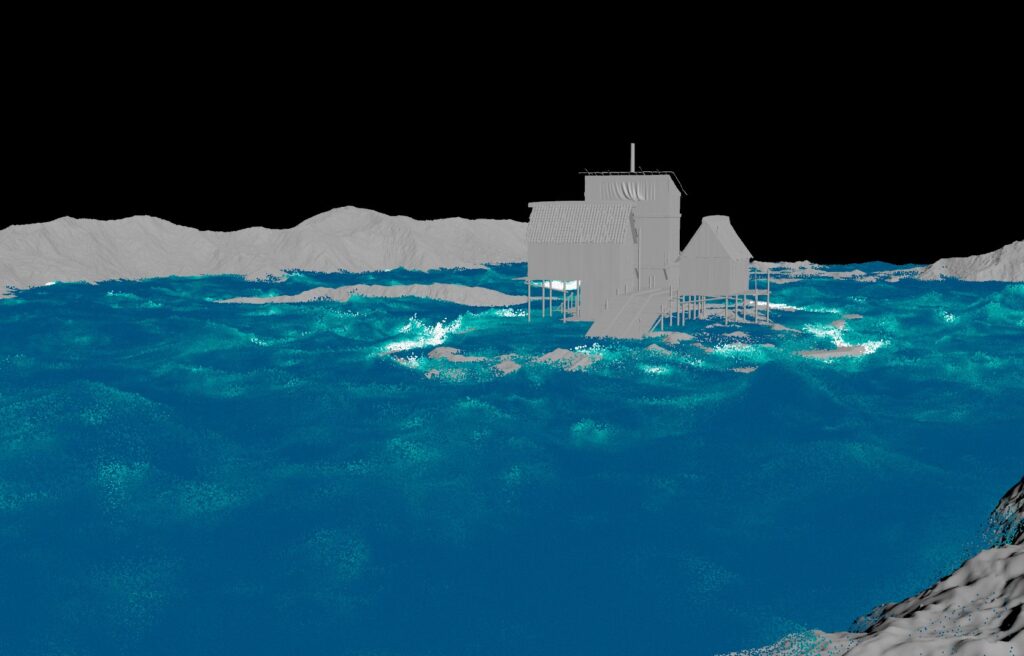
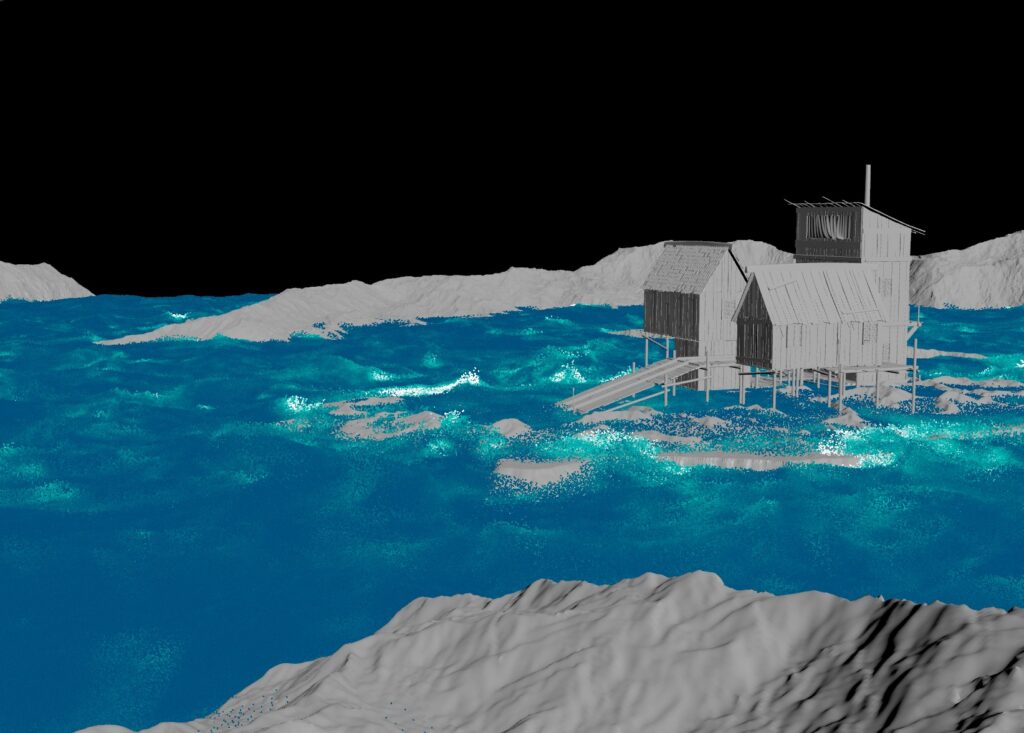
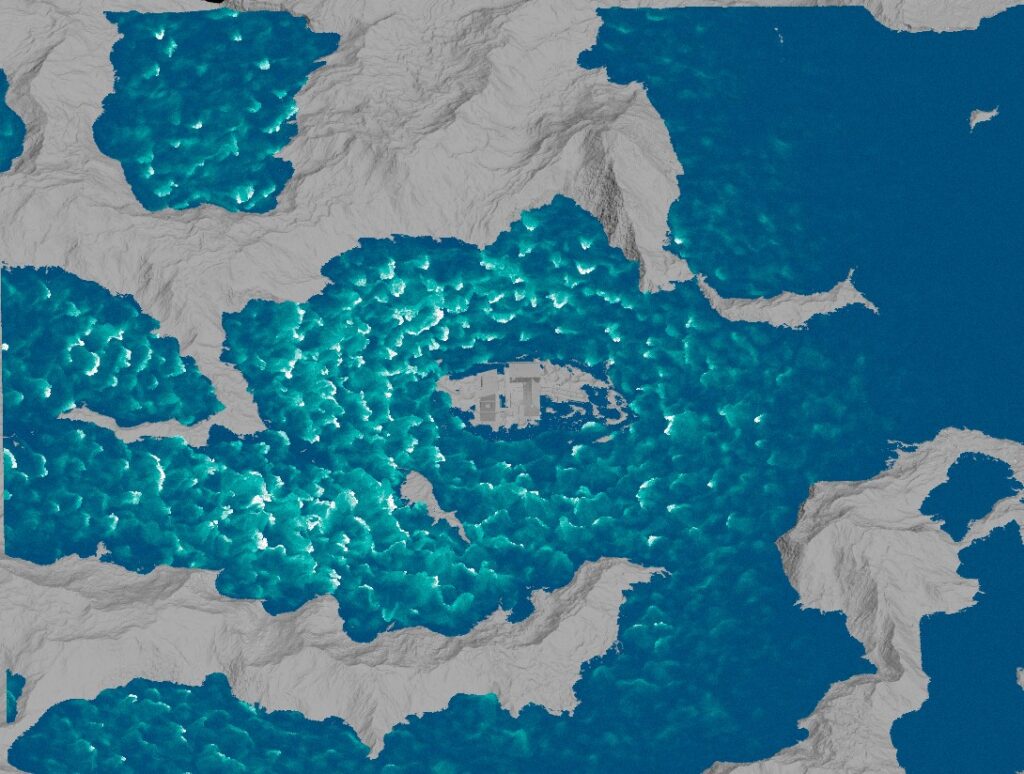
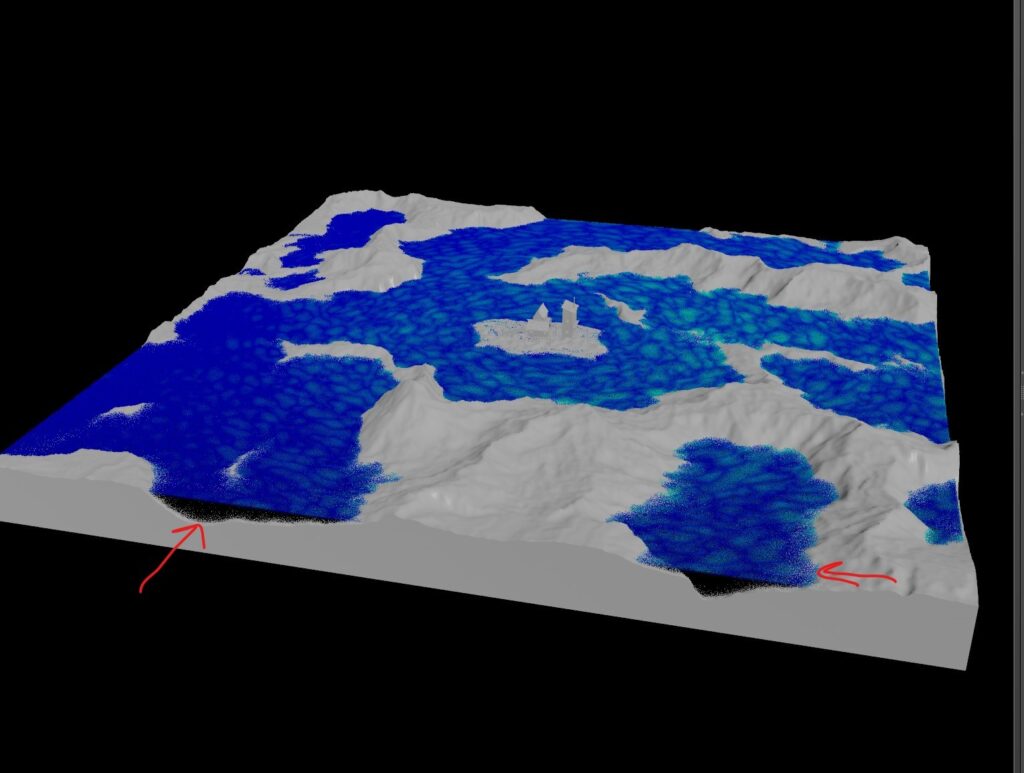
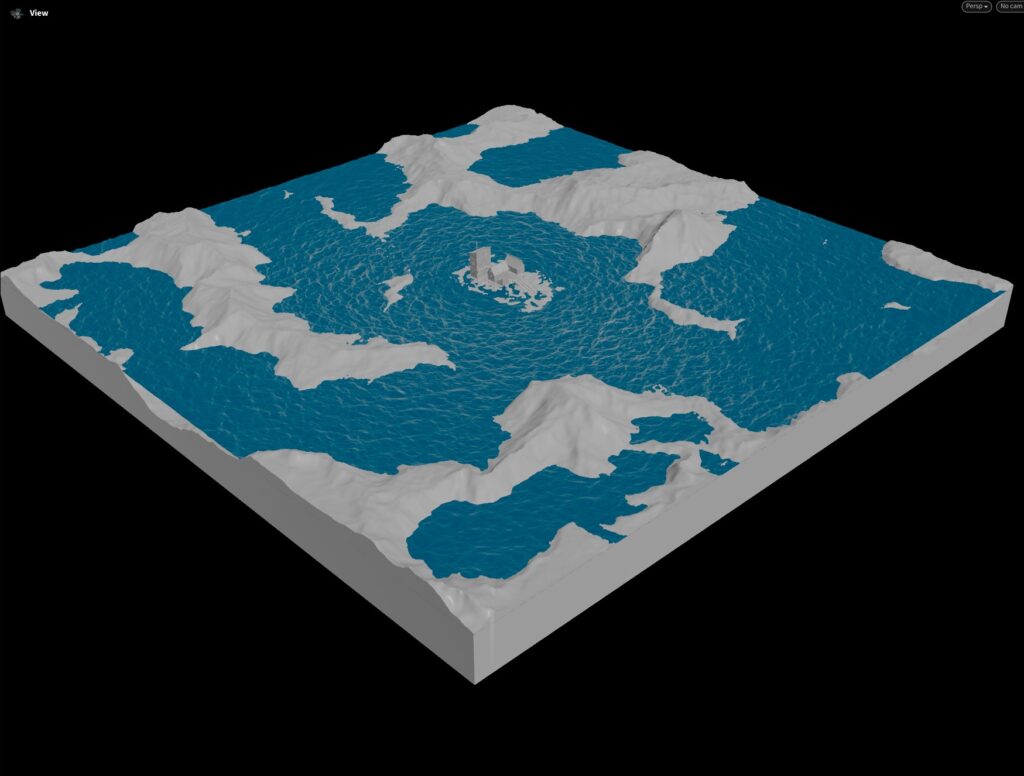
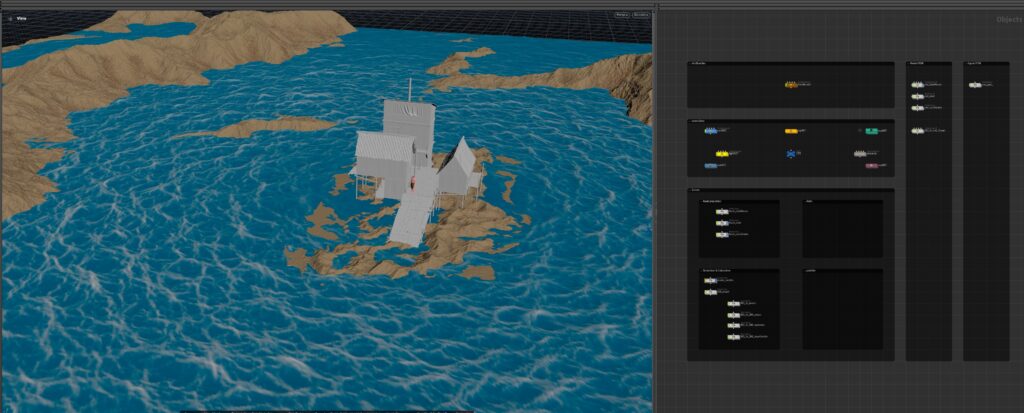
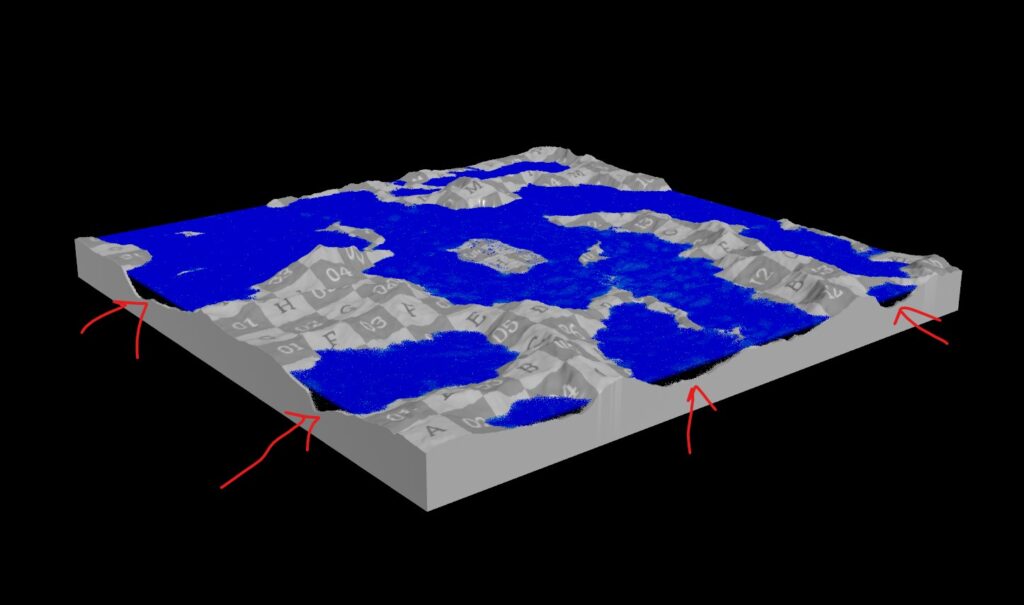
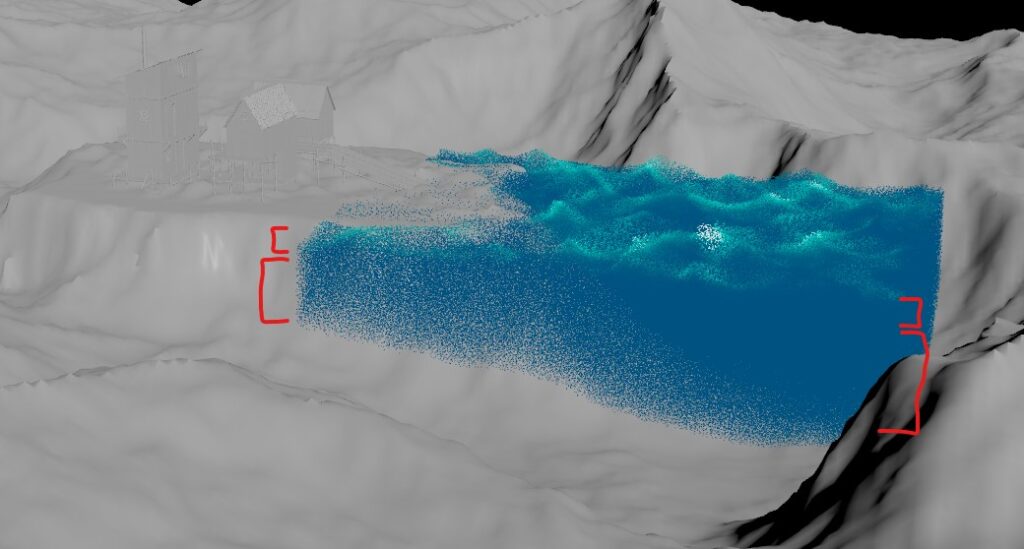
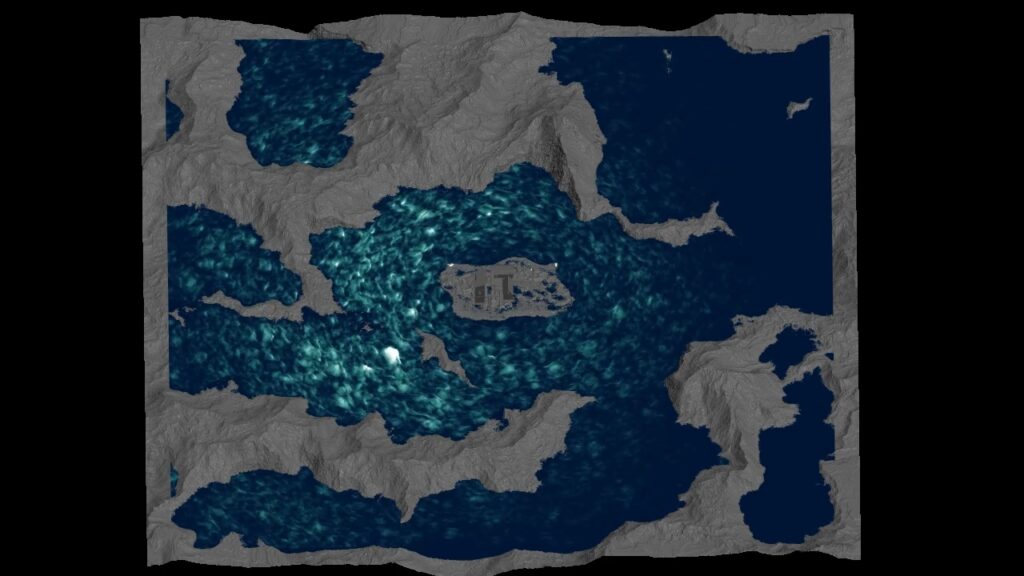
This R&D focuses on a massive-scale FLIP simulation in Houdini.
Unlike some of my other ocean workflows, this setup doesn’t rely solely on Ocean Spectrum or displacement-based tricks to create the main body of water. The result comes from an actual large-scale fluid simulation, which makes the technical side of the workflow much more demanding.
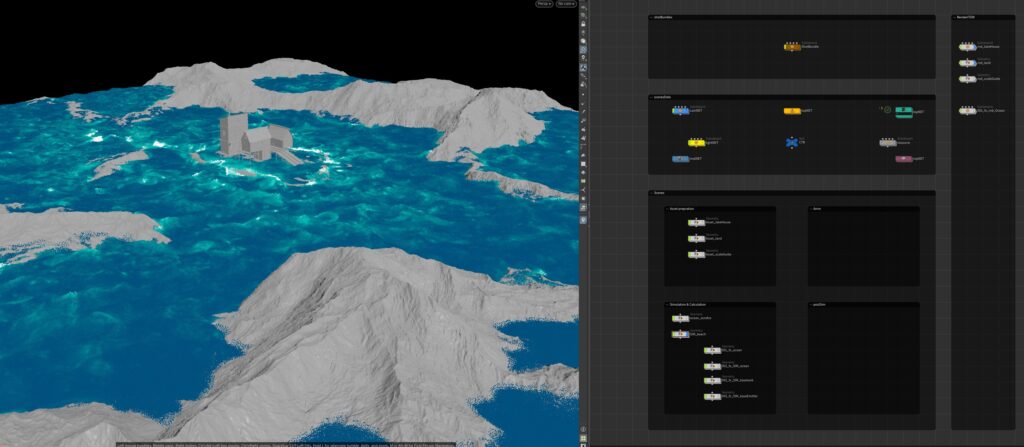
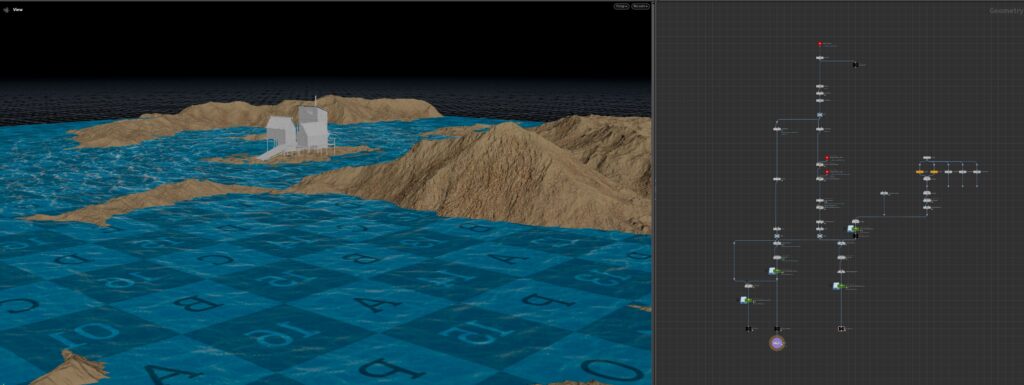
At this scale, the challenge is not only the simulation itself, but also the management of very large amounts of data. A big part of the work involved controlling the full pipeline: simulation caching, reading and writing data efficiently, managing disk usage, preparing render caches, and handling submission to the render farm.
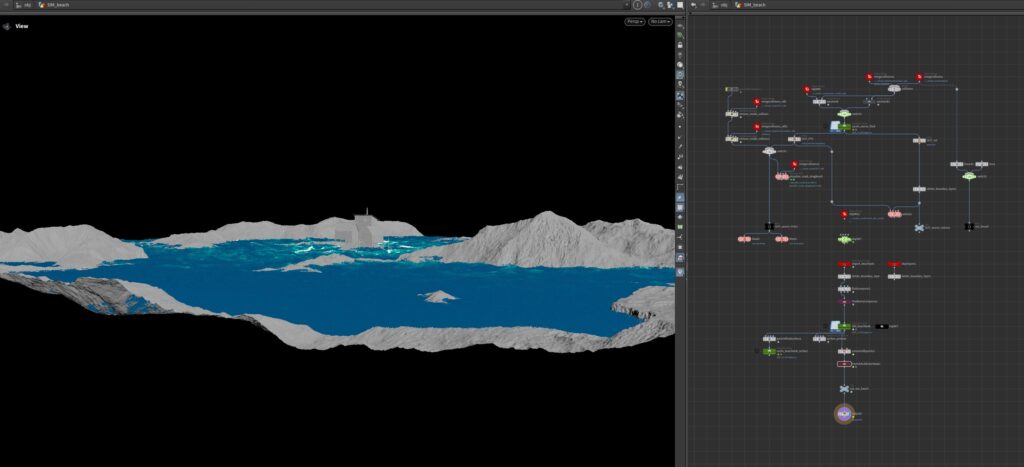
To create the wave motion, I used a combination of custom forces and custom solver logic rather than relying only on the default FLIP behavior.
I also needed precise control over the strength, direction, timing, and distribution of the forces on a frame-by-frame basis, so I built a custom solver to manage those values throughout the simulation.
This gave me much more art direction over the overall motion and allowed the water to develop a more stylized and almost magical behavior, while still keeping the underlying motion grounded in a real fluid simulation.
The main goal of this R&D was to explore both sides of large-scale FLIP work: the creative control of the simulation and the technical pipeline required to process, cache, and render extremely heavy fluid data efficiently.